Zircon
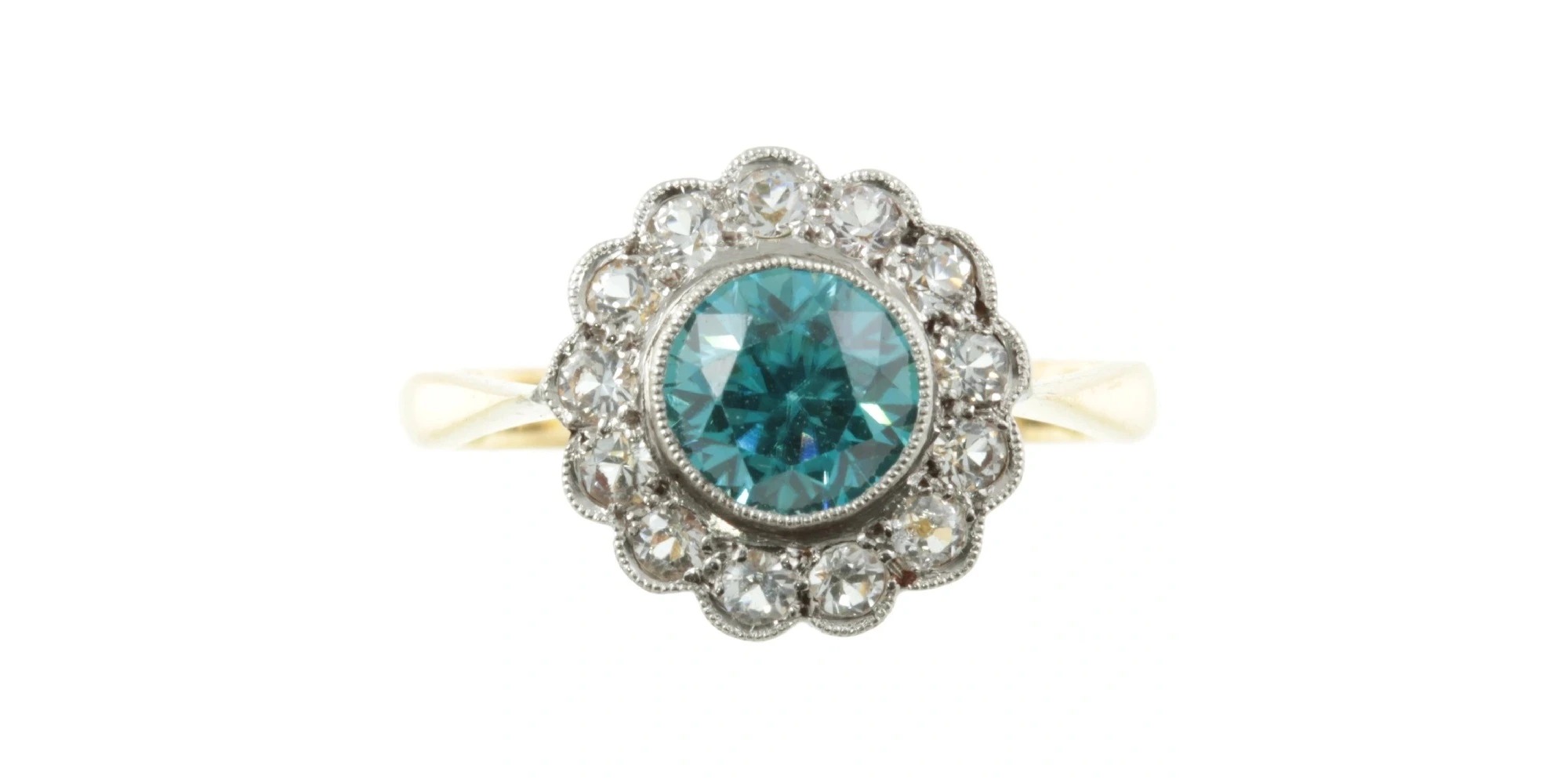
The name Zircon is most likely derived from the Persian word “Zargun” meaning “Golden Colour”. This name would be referring to the yellow and light brown varieties of this gemstone, that were commonly traded in ancient times. This Persian word zargun evolved into the word “Jargon”, which was used in medieval Europe to describe straw-yellow to almost colourless varieties of Zircon. In 1789, Martin Heinrich Klaproth who was a German chemist discovered the element zirconium within the mineral. Both Klaproth and geologist Abraham Gottlob Werner then called the gemstone Zirkon, which in turn was called Zircon in modern English. During the middle-ages, the yellow-red to red-brown varieties of this gemstone were called Hyacinth or Jacinth. In the late 19th century, gemologist George Kunz who was a buyer for Tiffany & Co attempted to name Blue Zircon as “Starlite”. This blue variety is very rare in nature and is nearly always produced by heat-treating the brown-red variety. His attempt was unsuccessful and the name “Starlite” never caught on. Occasionally, the term “Starlite” is used as a trade name in Antique and Estate Jewellery.
Zircon Colour Varieties
- Blue: Blue is the most popular variety and it is normally created by heat-treating brown-red stones. Trade names for this colour are: Starlite (historic), Ratanakiri, Cambolite, and Stremlite.
- Yellow: For bright yellow stones, the trade name is Canary Zircon.
- Yellow/Grey: For pale yellow or greyish stones, the trade name is Jargon.
- Red/Orange: For yellow-red, orange, or red-brown stones, the trade name is Hyacinth or Jacinth.
- Brown: For rich brown varieties, the trade name is Chocolate Zircon.
- Colourless: For colourless stones, the trade names are: Matura Diamond or Ceylon Diamond. This colourless variety was historically used as a Diamond simulant.
- Green: This colour is extremely rare and highly prized, its trade name is Beccarite.
- Pink/Purple: Some shades in this variety can rival Ruby, its trade name is Raspberry Zircon.
Formation
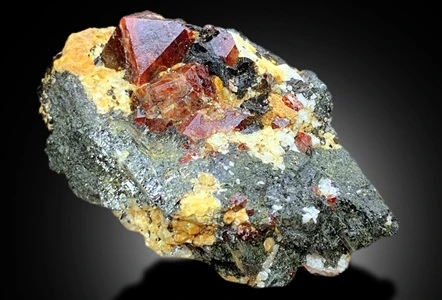 Zircon primarily forms in silica-rich igneous rocks such as granite. Zirconium is an incompatible element, as such it is not easily included into minerals and so it tends to become highly concentrated on its own. As the magma cools down, this concentration of zirconium within hot fluids then bonds with silica and Zircon crystals form. Crystallisation normally occurs at temperatures of between 700°C to 900°C within the host rock.
Zircon can also form or reform through metamorphism. When existing rocks such as migmatites are subjected to intense heat and pressure, Zircon crystals can grow or an overgrowth can occur. This overgrowth is where new Zircon can grow around an older core, similar to the growth rings on a tree. Recrystallisation of existing Zircon can also occur when subjected to intense heat and pressure.
Zircon naturally contains uranium, which decays at a steady, known rate and can be dated precisely using radiometric dating. Examples found in the Jack Hills in Western Australia have been dated to 4.2 – 4.3 billion years old. The Earth itself is estimated to be about 4.56 billion years old, making Zircon the oldest known gemstone.
Currently, the main Zircon (gem quality) producing countries are: Cambodia, Sri Lanka, Australia, Vietnam, Thailand, Myanmar, Madagascar, Nigeria, Tanzania, Mozambique, and Brazil.
Treatments
The vast majority of Zircon on the market is treated and treatment is considered a standard industry practice. As with all other gemstones, untreated specimens will always command a premium price.
- Heat Treatment: Heat treatment is the most commonly used treatment and is considered standard practice since the 1920s. Both blue and colourless are produced from heating brown stones to between 900°C to 1000°C in an oxygen-free environment. Both yellow and red are produced from heating brown stones to about 900°C in an oxygen-rich environment. Heating can also be used to improve brilliance.
- Irradiation: This treatment involves exposing the gemstones to radiation and is used to intensify the green and blue varieties.
- Oil/Resin: For gemstones that have surface-reaching inclusions, these can be filled with an oil or resin. It should be noted that this treatment is rarely done and that it is not permanent.
- Surface-Coating: This treatment involves applying a thin surface coating of a polymer or synthetic resin such as Opticon. This treatment will improve the stone’s lustre and stabilise its colour. This treatment is rarely done.
Durability
Zircon has a hardness rating of 6.5 to 7.5 on the Mohs scale. Making it suitable for everyday wear, providing care is taken. While this gemstone has an excellent hardness rating and it has no cleavage, meaning that it does not have a plane of weakness within its structure, this gemstone is very brittle. This brittleness makes the gemstone susceptible to fracturing from sharp impacts. This brittleness also makes its sharp facets prone to wearing from simply rubbing off other gemstones or even rubbing against rough paper. This can lead to the facets becoming fuzzy looking rather than sharp.
- Sunlight: Zircon is sensitive to sunlight, as such prolonged exposure to UV rays can cause it to fade and even change colour entirely.
- Heat: This gemstone is sensitive to thermal shock. Sudden extreme changes in temperature can cause this gemstone to fracture.
- Chemicals: Zircon is resistant to most household chemicals and cleaning agents. However, harsh chemicals such as bleach or ammonia should be avoided as they can effect the stone’s lustre.
- Cleaning: The safest and most recommended way to clean your Zircon jewellery is with warm, soapy (mild) water and a soft toothbrush. Use the toothbrush gently to avoid catching the bristles in the jewellery settings, which can dislodge the gemstones. Since this gemstone is sensitive to thermal shock, ultrasonic and steam cleaners should not be used.
- Storage: Although this gemstone has an excellent hardness rating, it can still be scratched by harder gemstones such as Diamond. While at the same time, it can scratch softer gemstones such as Pearl. For this reason, it always recommended to store it in a separate compartment within your jewellery box or to place it in a soft cloth pouch.
Meaning and Healing Properties
Zircon is one of the oldest minerals on the Earth and as such is often associated with resilience and wisdom. During the middle-ages the stone symbolised honour, prosperity and wealth. It was worn as amulet to ward off evil spirits and nightmares. It was also used by travelers as a talisman to protect them on their journeys against accidents and illness. In more recent times, the stone is said to grant the wearer mental clarity and focus, helping with decision-making and providing grounding. This gemstone has also been credited with a number of healing properties. It was used as a traditional cure for stomach ailments and was also said to support the liver and lungs.
Chakra: Zircon is primarily associated with the root chakra, however since this gemstone forms in a variety of colours, it is associated with a number of chakras.
- Red/Brown: is associated with the root chakra, which helps to promote stability, security and grounding.
- Yellow/Orange: is associated with the solar plexus chakra, which helps to promote confidence and personal empowerment.
- Blue: is associated with the throat chakra, which helps to promote communication and self-expression.
- Colourless: is associated with the crown chakra, which helps to promote spiritual connection.
- Green: is associated with the heart chakra, which helps to promote love, compassion and emotional healing.
Birthstone: Zircon is a birthstone for December. December also has two other birthstones, Tanzanite and Topaz.
Zodiac Astrology: Zircon is primarily associated with the star signs Sagittarius and Capricorn. It is also linked to the star signs Taurus and Libra.
Wedding Anniversary: This gemstone is not listed as a traditional wedding anniversary gift. However, Blue Zircon can be used as an alternative gemstone gift for the 22nd wedding anniversary, symbolising long-lasting and enduring love.
History
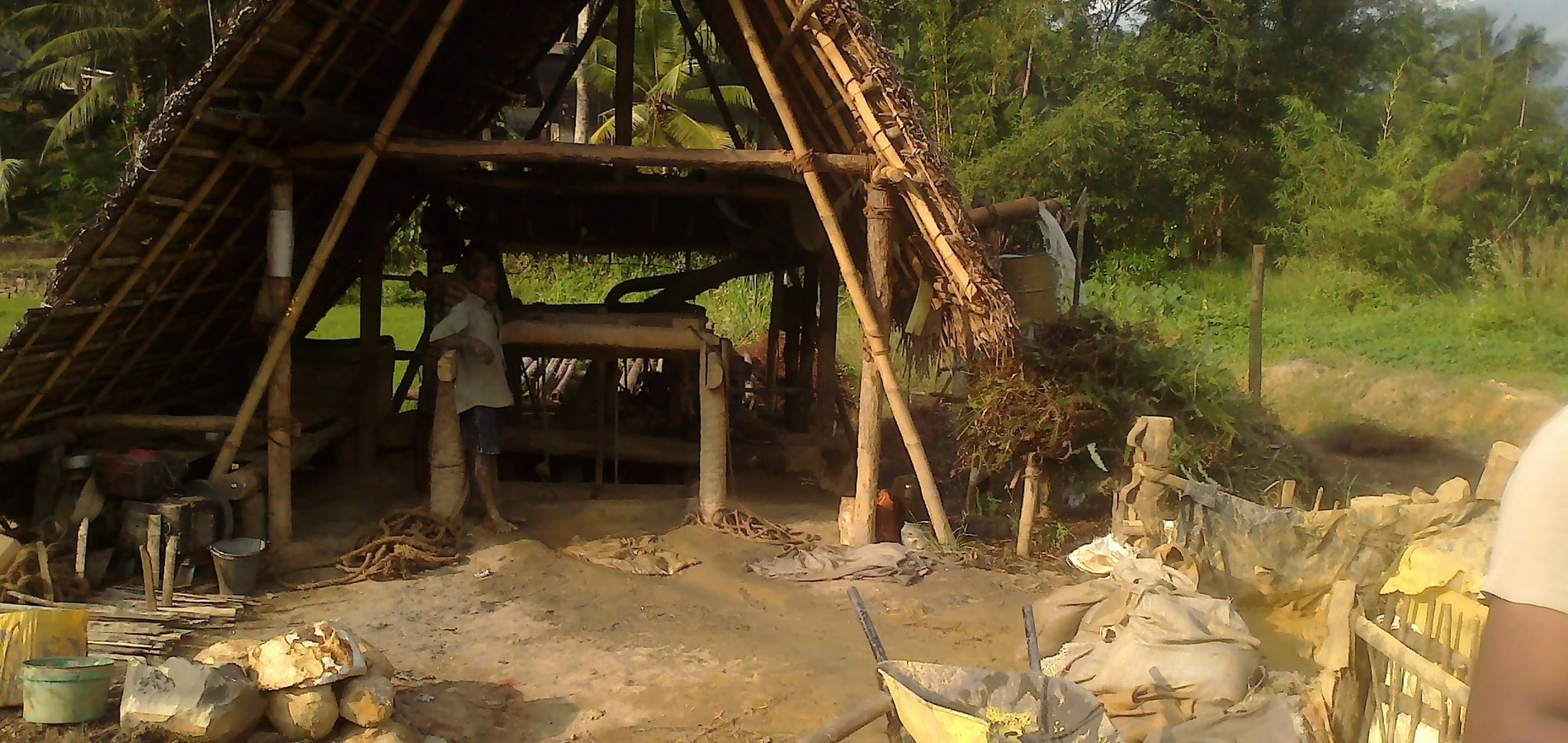
The earliest known mining of Zircon took place in Sri Lanka and dates back about 2,000 years ago. It was primarily found in alluvial deposits as a byproduct when miners were targeting other gemstones such as Sapphires. Mining in Sri Lanka was typically small-scale artisanal panning in river gravels. Where the gemstone accumulated in secondary deposits. Sri Lanka became famous for producing colourless Zircon, particularly from the region around the city of Matara which is located in the south of the island. This colourless variety was of exceptional quality and was used as a substitute for Diamond, historically being called “Matara Diamonds”. These gemstones along with others were then exported to Europe and China for thousands of years.
Historically, Cambodia, Myanmar and Vietnam were also significant sources. These countries produced and still produce the bright and vibrant orange and blue varieties.
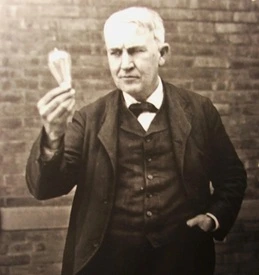 For much of its history, the mining of Zircon remained at this small-scale artisanal extraction. Large-scale industrial mining of this gemstone is more recent. In the late 1870s, Thomas Edison sparked the “Rare Earth Rush” in North Carolina. Edison required a material with a high melting point for his incandescent light bulb filaments, that was affordable enough to allow mass production of his bulbs. Through his experiments, he found that thorium was suitable. Thorium is a radioactive trace element contained in Zircon. This led to a mining rush in Henderson County in North Carolina and the area was eventually named Zirconia after the gemstone. There was large-scale mining here for a while, however Edison later moved away from using thorium and started using carbonised bamboo instead. Which led to a decline and eventual closure of mining activities in Zirconia.
In the late 19th century, mining began in Australia. To begin with Zircon was mined as a byproduct of gold and tin mining. However, in 1934, large-scale mining specifically for industrial grade Zircon began in Byron Bay. Mining here focused on extraction from heavy mineral sands and was mostly used in ceramic tiles, furnace linings and refractory bricks rather than in jewellery. Jewellery grade Zircon is found in the Northern Territory, Queensland and New South Wales. Currently, Australia is the world’s largest producer, accounting for about 37% of global production. South Africa is the second largest producer, accounting for about 30% of global production.
While this gemstone has been used for thousands of years, its popularity significantly increased during the late Victorian Era. During the late 1800s and early 1900s Blue Zircon was a particular favourite and is frequently found in estate jewellery. The colourless variety was also a firm favourite and was often used as a Diamond substitute. The discovery of heat treatment in the 1920s, which allowed the creation of both blue and colourless from brown varieties. Increased its popularity even further during the Art Deco Period, often set in white metals to create a bright contrast with Blue Zircon.
Folklore
For much of its history, Zircon was known as Hyacinth or Jacinth (red to orange varieties) or Jargon. It has also been historically misidentified as other gemstones such as Topaz or Hessonite Garnet. This has led to a lot of the folklore surrounding this gemstone to be fragmented or confused with other stones.
The ancient Egyptians did have Zircon and used it in jewellery and in amulets. Although it was not as widely used as other gemstones such as Lapis Lazuli and Turquoise. It is thought that they used this gemstone in amulets for protection against evil spirits and misfortune. The stone was also said to grant the wearer wisdom. It has been suggested by some sources that this gemstone was used in mummification, however this is an example of the confusion between gemstones which were misidentified. The gemstone associated with mummification was actually Amber, which was placed under the skin of the hands during mummification.
Greek Mythology: The ancient Greeks referred to Zircon as Hyacinth, which was a group term for orange, red and yellow gemstones. They associated Hyacinth with Apollo, god of music, prophecy and the sun. Legend has it that Hyacinthus, who was loved by Apollo, was accidentally killed by a discus. When his blood spilled on the ground, a flower grew there. To the Greeks, the gemstone Hyacinth represented eternal sorrow, rebirth and divine beauty. They believed the stone held protective powers, particularly as a “Traveller’s Stone”. It was said to protect travellers from lightning strikes and from the plague. It was used as a cure for insomnia and was said to help provide deep, dreamless sleep if placed under the pillow. It was also said to strengthen the wearer’s heart, aid digestion and to have the ability to reduce fever. Since it was associated with Hyacinthus and his blood, it was widely believed to stop bleeding.
Roman Mythology: The ancient Romans were deeply superstitious and they believed that Hyacinth could ward off the evil eye, something ancient people lived in dread of. It was also widely used as a Talisman for sailors and soldiers. Sailors believed it held the power to calm the seas and to prevent shipwrecks. Roman soldiers believed that it held the power to make them invisible in battle and that it could also protect them from receiving a mortal wound. Hyacinth was also credited with a number of healing properties. Pliny the Elder wrote about its “Chilling” effect and that it could be used to reduce a fever by placing it in mouth. Hyacinth was also said to have the ability to detect poison by changing colour or becoming dull if it was in the presence of poison. The Romans also widely used this gemstone to make intaglio signet rings, which were used for wax sealing official documents. They were also amongst the first people to use the colourless variety as a Diamond substitute.
Medieval Europe: During the middle-ages in Europe, Zircon was still being called Hyacinth, Jacinth or Jargon. At this time, Europe was deeply religious and there was widespread fear of demons and sorcery. Hyacinth was seen as a holy and powerful source of protection against these. It was said that gemstones were created by God and contained many virtues, these gemstones were given to people to be used as tools. Hyacinth was believed to drive away evil spirits and ensure a restful sleep if placed under the pillow. Hyacinth was also said to make the wearer immune to the Black Death and other infectious diseases which terrified people during this time. It was widely used as a traveller’s talisman and was said to protect the wearer on their journey from lightning strikes and injury. It was also said to ensure that the traveller was warmly welcomed in any inn or home on their journey. Medieval physicians credited the stone with the ability to give a person warmth if they were cold by nature. They would grind the gemstone into a fine powder and mix it with wine, in the belief that the inner fire or brilliance of this gemstone could be transferred to the patient.
In the Catholic Church, the fire (brilliance) of Hyacinth was said to symbolise the “Fire of the Holy Spirit”. The stone was said to protect the wearer from “Vices of the Heart” and so help the wearer to stay on a virtuous path. For this reason, in the early and medieval Church Hyacinth was used as an alternative to Amethyst for Bishop’s rings. Although Amethyst would eventually become the standard for Bishop’s rings. Monks who ran monastic infirmaries would sometimes keep Hyacinth for protection from the plague, they viewed it as a tool given by God to protect the body. Hyacinth was also commonly used in pectoral crosses and reliquaries.
Famous Zircon Jewellery
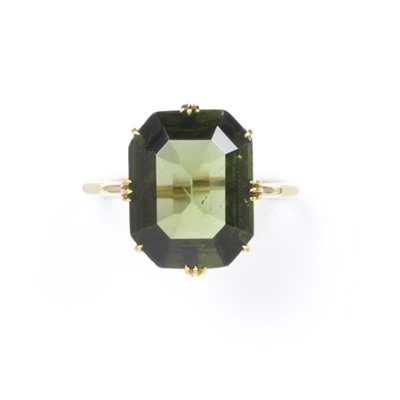
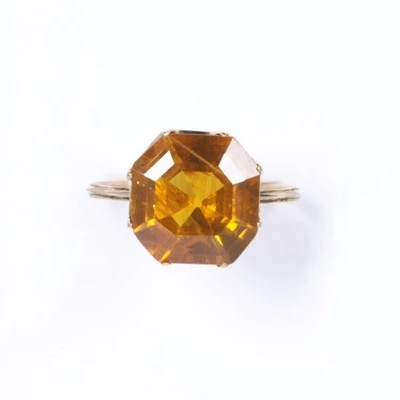
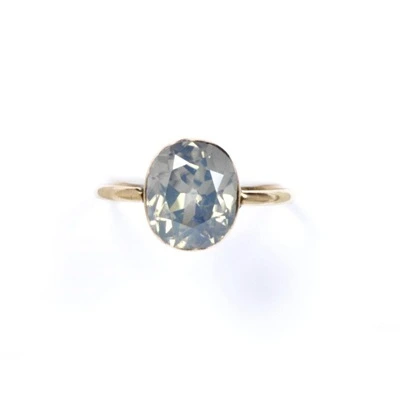
The above pieces of Zircon Jewellery are on display at the V&A Museum.
Zircon Gemological Data
Colour: Colourless, yellow, brown, orange, red, violet, blue, green.
Colour of Streak: White.
Mohs hardness: 6.5 – 7.5
Density: 3.93 – 4.73
Cleavage: Indistinct.
Fracture: Conchoidal, very brittle.
Crystal system: Tetragonal; short, stocky four-sided prisms with pyramidal ends.
Transparency: Transparent to translucent.
Chemical composition: Zr[SiO4] Zirconium silicate.
Refractive index: 1.810 – 2.024
Double refraction: +0.002 to +0.059
Pleochroism: Yellow Zircon; very weak, honey-yellow, brown-yellow. Blue Zircon; distinct: blue, yellow-grey to colourless.
Dispersion: 0.039 (0.022)
Fluorescence: Blue: very weak; light orange. Red and brown: weak; dark yellow.
For Researchers and Journalists
Recommended Citation (MLA) Format:
Hoyne, John. “Zircon: Formation, History, Meaning, and Folklore.” Carus Jewellery, n.d., https://carusjewellery.com/zircon/.
You can also get in touch with Carusjewellery.com on Facebook , where you may leave any comments or questions you may have about this article.