
London Assay Office Hallmarks

London Assay Office Hallmarks The leopard's head stamp is the town mark and it has been in continuous use by the London Assay Office since 1300. It is actually one of the oldest continuously used trademarks in the world and represents one of the earliest forms of consumer protection. In 1478, after the Goldsmith's [...]
Base Metals

Base Metals in Estate Jewellery Base metals have been used in jewellery since prehistoric times. Long before people knew how to smelt ore, they used native copper, which was typically found in riverbeds, to make jewellery and decorative objects. Base metals are defined by their chemical properties, they oxidise, tarnish and corrode relatively easily. [...]

Birthstones

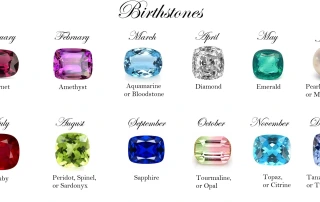
Birthstones Flavius Josephus Birthstones have a long and fascinating history, dating back thousands of years. Originally, these stones were worn as protective planetary talismans, based on the sun's position throughout the year. Rather than as personal birthstones as we know them today. Birthstones are the assignment or alignment of a particular gemstone(s) [...]

Platinum

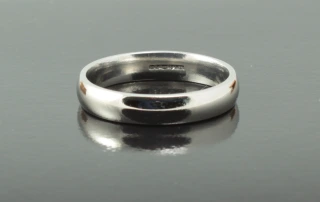
Platinum The name platinum is derived from the Spanish word platina which translates to "little silver" or "lesser silver". This was a derogatory term used in the 16th century by the Spanish conquistadors who were panning for gold in present-day Colombia. They viewed this metal as being worthless and thought it was either unripened gold [...]

Silver

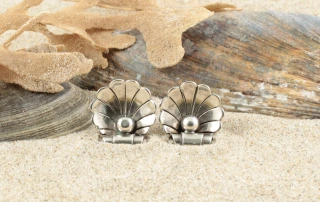
Silver The name silver is derived from the Anglo-Saxon word siolfur or seolfor which simply means silver. The variations: seolfor, silfer, and selver were used in Middle English. These words then evolved into the modern English word silver from about the 1500s onwards. The chemical symbol for silver is Ag, which is derived from the Latin word argentum. Silver [...]

Gold

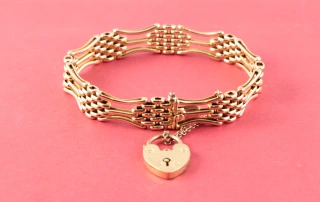
Gold The name gold is derived from the Proto-Indo-European root ǵʰelh₃-, meaning "yellow" or "to shine". Over time, this root evolved into the Germanic word gulþą (precious metal) and the English word geolu (yellow). Later evolving into the modern English word Gold. The chemical symbol for gold is Au, which comes from the Latin [...]

Diamond

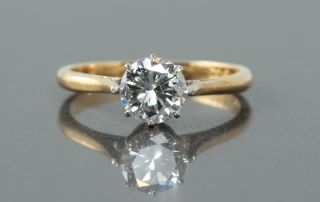
Diamond The name Diamond is derived from the ancient Greek word adamas, which translates to "unconquerable", "invincible" or "unbreakable". The word adamas then became the Latin word adiamantem and later evolved into the Latin word diamas. By the Middle Ages it had evolved into the French word diamant and finally entered the English language as diamaunt or diamaund around [...]

Zircon

Zircon The name Zircon is most likely derived from the Persian word "Zargun" meaning "Golden Colour". This name would be referring to the yellow and light brown varieties of this gemstone, that were commonly traded in ancient times. This Persian word zargun evolved into the word "Jargon", which was used in medieval Europe to [...]

Tourmaline

Tourmaline The name Tourmaline is derived from the Sinhalese word "Turamali", meaning "stone with mixed colours". The gemstone merchants in Sri Lanka used this term to describe gems of mixed colours. When in 1703, Dutch merchants from the East India Company started importing these multi-coloured gems, they also adopted the name. Since this gemstone [...]

Amber

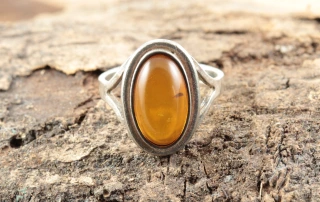
Amber The name Amber is derived from the Arabic Word "Anbar", the word "Anbar" originally referred to Ambergris. Ambergris is a waxy, fragrant substance which comes from sperm whales. Since both Ambergris and Amber were frequently found washed up on beaches, they became associated and or confused. During the 14th century, a distinction was [...]

Go to Top