Agate

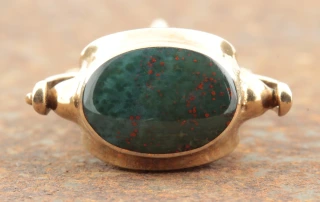
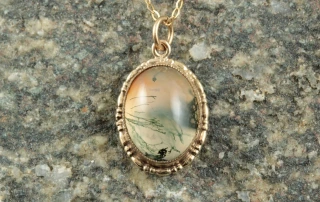
Agate The name Agate is derived from the River Achates in Sicily, which is now called the Dirillo River. Agate is a variety of chalcedony, which belongs to the Quartz mineral group. Other well-known gemstones in the Quartz family include, Amethyst, Rock Crystal, Smoky Quartz, Rose Quartz, Citrine, Carnelian and Bloodstone. Agate is a [...]

The Value of Antique Jewellery

The Value of Antique Jewellery The question of the value of Antique Jewellery is a query which has come up frequently here at Carus Jewellery. There is a diverse number of ways to interpret the question. In order to fully explore the question, we will delve into a few different interpretations of the subject. [...]

Turquoise

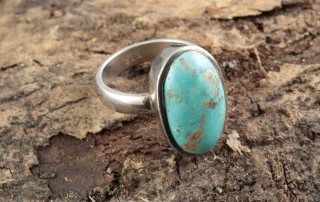
Turquoise The name Turquoise is derived from the French word "Pierre Turquoise", which translates to Turkish stone. Venetian and French merchants would normally purchase this gemstone in Turkish bazaars and then resell it in Europe. At the time, most people in Europe incorrectly assumed that the gemstone originated in Turkey and so named it [...]

Garnet

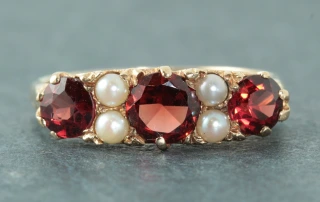
Garnet The name Garnet is primarily derived from the Latin word "Granatus" meaning "Seed-Like" or containing "Many Grains". Granatus is specifically referring to "Pomum Granatum", meaning pomegranate. The crystals of this gemstone are rounded and similar in size, shape and colour to the red kernels of the pomegranate fruit. During the 14th century, the [...]

Pearl

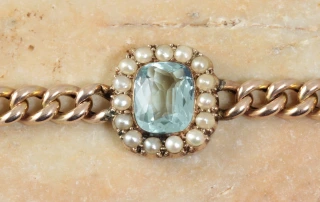
Pearl The origin of the name Pearl is uncertain, but it is generally thought to be derived from the Latin word "Perna" which translates to "Leg". The name leg is thought to describe the marine bivalve molluscs that produce Pearl as it resembles a leg of ham. It is also possible that the name [...]

Sapphire

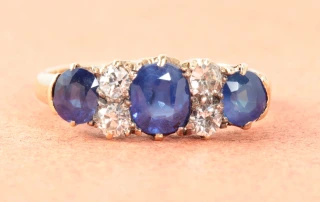
Sapphire The name Sapphire is derived from the ancient Greek word Sappheiros and the Latin word Sapphirus, both of which mean “Blue Stone”. The Greek word Sappheiros (originally used to describe Lapis Lazuli) and the Latin word Sapphirus were generic words used to describe all blue gemstones. The origin of the Greek word Sappheiros can be traced even further back to the ancient Hebrew [...]

Ruby

Ruby The name Ruby is derived from the Latin word ruber which means "Red", ruber was used to describe all vibrant red gemstones. The ancient Romans also used the word carbunculus which means "little coal" to describe all red gemstones, including Rubies, Red Spinels and Red Garnets. During the Middle-Ages the name ruber evolved into the old French word rubeus and then [...]

Emerald

Emerald The name Emerald is derived from the ancient Greek word smaragdos which translates to "green gem" or "green stone". This word smaragdos itself is likely to have derived from the Persian word zamarat meaning "heart of stone" or it could have derived from the Sanskrit word marakata meaning "the green of growing things". The Greek word smaragdos [...]

Amethyst

Amethyst The name Amethyst is derived from the ancient Greek word "Amethystos" which is a combination of the Greek prefix"a-" meaning "not" and the word "Methysko" meaning "intoxicate". So the name literally translates to "not intoxicate" or "not drunk". This name came from the long-held belief the ancient Greeks had, that this gemstone could [...]

Cleaning & Care of Antique Jewellery

Cleaning and Care of Antique Jewellery Antique jewellery is a beautiful and timeless investment, but it is important to take care of it properly to ensure that it lasts for generations to come. Gold Jewellery Gold jewellery is relatively easy to take care of. To clean gold jewellery, simply allow it to soak in [...]

Go to Top