Coral

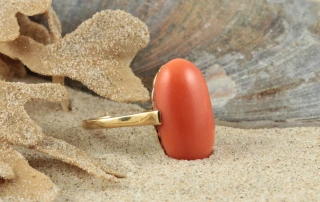
Coral The name coral is derived from the Latin word "Corallium". The name can also be traced back to the Greek word "Korallion" which means hard skeleton. Coral belongs to the organic gemstone group, other well-known gemstones in this group include Amber and Pearl. It is made of calcium carbonate ( CaCO3 ) and [...]
Citrine

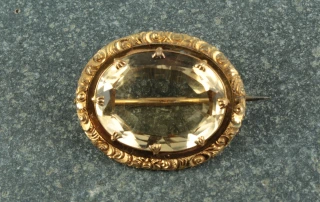
Citrine The name Citrine originates from the Latin word "Citrina" meaning yellow and the French word "Citron" meaning lemon colour. Citrine is comprised of silicon dioxide, with iron being the colouring agent. Most natural citrine is typically a light or pale yellow colour. Madeira Citrine has a deep saturated reddish-orange colour and is considered [...]

Chrysoberyl

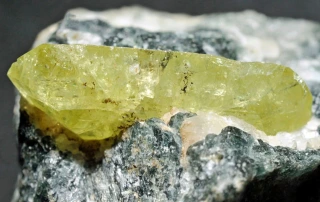
Chrysoberyl The name Chrysoberyl is derived from the Greek words "Chrysos" which means gold and "Beryllos" which means gemstone. Chrysoberyl is a golden to green colour and is normally cut using a Ceylon cut or brilliant cut. The Chrysoberyl mineral group also contains the varieties Alexandrite and Chrysoberyl Cat`s Eye. Both of which are [...]

Bloodstone

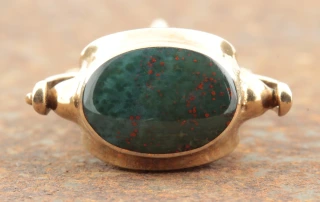
Bloodstone Bloodstone is a dark green, opaque chalcedony with red spots. Chalcedony belongs to the quartz mineral group. Other well-known gemstones in the quartz family include, Agate, Amethyst, Rock Crystal, Smoky Quartz, Rose Quartz, Citrine and Carnelian. Bloodstone is also known as Heliotrope, the name Heliotrope is derived from the Greek words "Sun Turner". [...]

Aquamarine

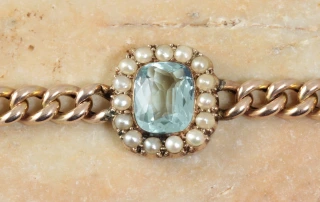
Aquamarine Aquamarine derives its name from the Latin words "Aqua" meaning water and "Marinus" meaning of the sea. This beautiful gemstone resembles seawater, with colours ranging from light to dark blue and often including shades of blue-green. With dark blue been the most desirable colour. The agent responsible for colouration is iron. Aquamarine is [...]

Agate

Agate The name Agate is derived from the River Achates in Sicily, which is now called the Dirillo River. Agate is a variety of chalcedony, which belongs to the Quartz mineral group. Other well-known gemstones in the Quartz family include, Amethyst, Rock Crystal, Smoky Quartz, Rose Quartz, Citrine, Carnelian and Bloodstone. Agate is a [...]

Turquoise

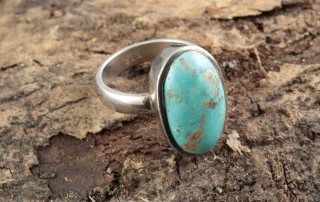
Turquoise The name Turquoise is derived from the French word "Pierre Turquoise", which translates to Turkish stone. Venetian and French merchants would normally purchase this gemstone in Turkish bazaars and then resell it in Europe. At the time, most people in Europe incorrectly assumed that the gemstone originated in Turkey and so named it [...]

Garnet

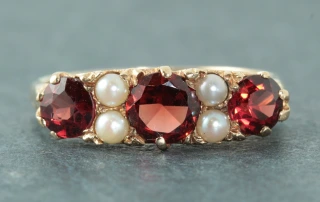
Garnet The name Garnet is primarily derived from the Latin word "Granatus" meaning "Seed-Like" or containing "Many Grains". Granatus is specifically referring to "Pomum Granatum", meaning pomegranate. The crystals of this gemstone are rounded and similar in size, shape and colour to the red kernels of the pomegranate fruit. During the 14th century, the [...]

Pearl

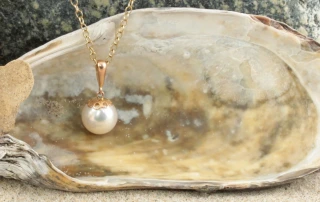
Pearl The origin of the name Pearl is uncertain, but it is generally thought to be derived from the Latin word "Perna" which translates to "Leg". The name leg is thought to describe the marine bivalve molluscs that produce Pearl as it resembles a leg of ham. It is also possible that the name [...]

Amethyst

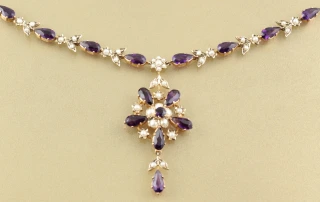
Amethyst The name Amethyst is derived from the ancient Greek word "Amethystos" which is a combination of the Greek prefix"a-" meaning "not" and the word "Methysko" meaning "intoxicate". So the name literally translates to "not intoxicate" or "not drunk". This name came from the long-held belief the ancient Greeks had, that this gemstone could [...]

Go to Top